
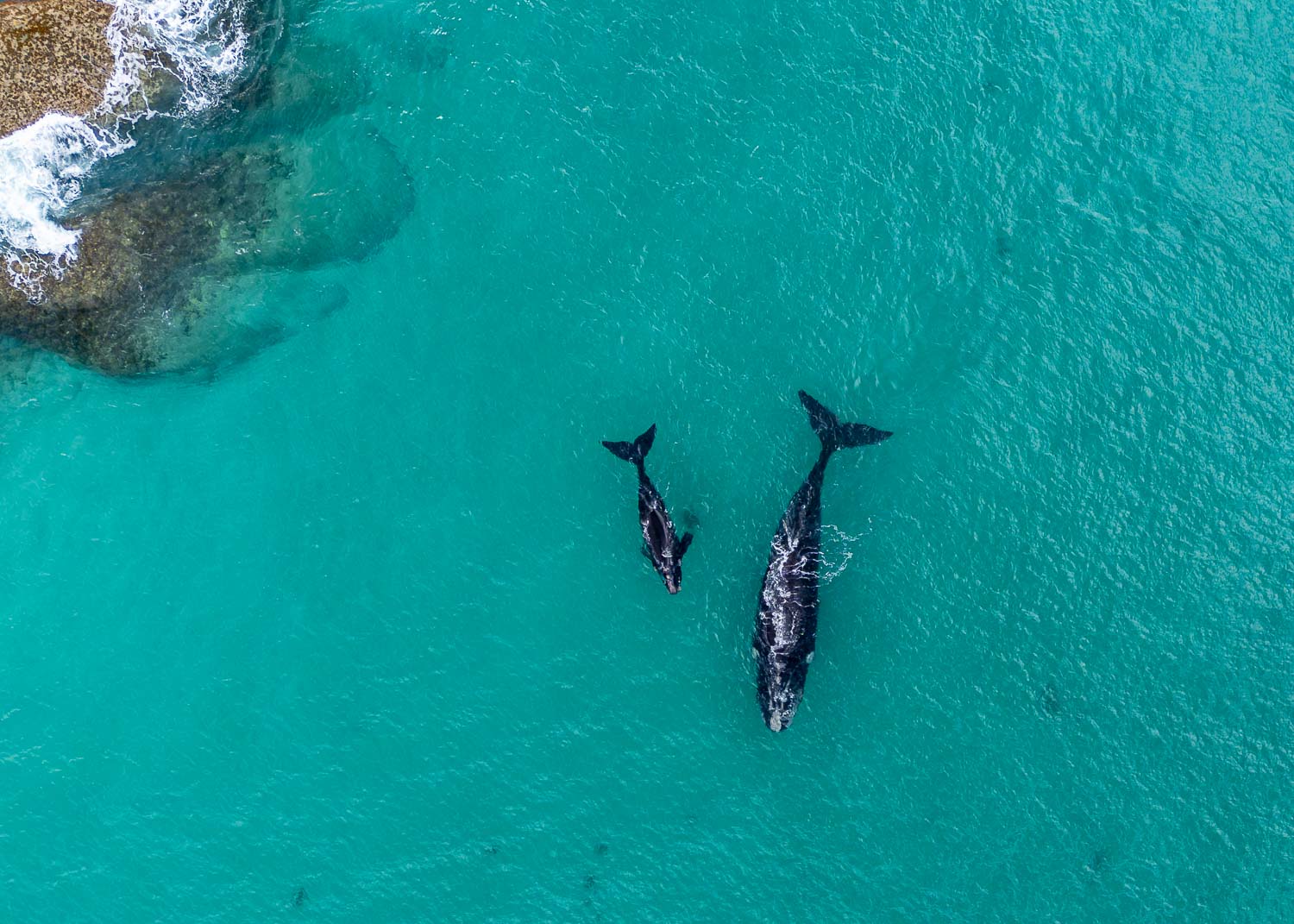
A Quiet Morning at Betty’s Beach
Betty’s Beach, tucked along the coastline of Western Australia, is one of those rare places where rugged cliffs, sheltered bays, and untouched wilderness come together in perfect harmony. It’s peaceful, remote, and beautifully simple — the kind of campsite where nature provides all the entertainment.
During our stay, we were lucky enough to witness something truly special: a Southern Right Whale mother and her calf spending hours in the calm bay just offshore.

A Close but Peaceful Encounter
From our campsite above the water, we could see the pair moving slowly beneath the surface, surfacing in unhurried intervals and gliding gracefully through the gentle swell. Their steady rhythm and quiet presence created a sense of calm that washed over the entire bay.
It was one of those rare moments that stay with you long after the day ends — a reminder of the wild beauty of the Southern Ocean and the importance of protecting the species that call it home.
Southern Right Whales: Gentle Giants
Southern Right Whales migrate to Australian waters each winter to calve and nurse their young. They favour sheltered bays like Betty’s Beach because the protection from swell and predators gives their calves the best start to life.
Some of the behaviours you might spot include:
-
Resting and slow swimming near the surface
-
Rolling and body contact, especially between mothers and calves
-
Breaching and tail lifts, though mothers with young calves often conserve energy
Unlike Humpback Whales, which are more acrobatic, Southern Rights are usually slow, quiet, and incredibly peaceful — making sightings like this especially serene.
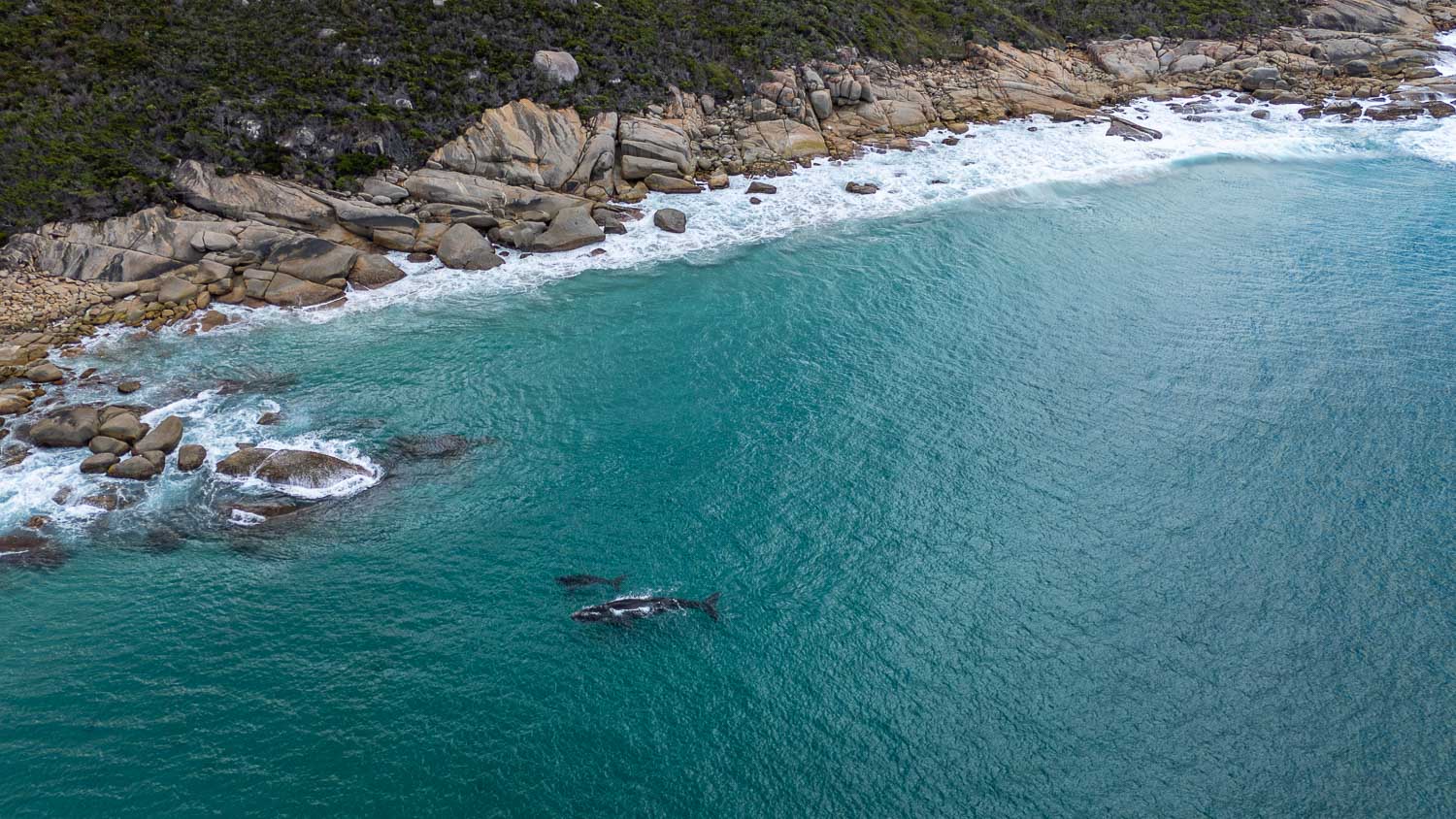
Capturing the Moment: Drone Footage
I took the opportunity to capture some drone footage of the mother and calf as they travelled through the bay. Filming from above offered a unique perspective of their gentle movements and the vast blue water surrounding them.
But just as important as the footage itself was making sure the drone was flown responsibly.
Drone Safety Around Marine Wildlife
Flying a drone near whales and other marine wildlife comes with strict responsibilities — and the rules differ depending on which Australian state or territory you’re in.
General Safety Principles (Australia-Wide)
No matter where you fly:
-
Never disturb or alter the behaviour of whales or marine animals.
-
Keep a safe buffer distance — drones must not fly too close, too low, or directly overhead.
-
Avoid sudden movements, hovering, or repeated passes that may stress wildlife.
Differences Between States
Each state has its own regulations, especially when it comes to approach distances:
-
Western Australia:
Drones must remain at least 60 metres away from whales.
Certain marine parks may have additional restrictions. -
South Australia:
A minimum distance of 100 metres is required for drones near whales. -
Victoria & New South Wales:
Recreational drones must stay at least 300 metres horizontally from whales — some of the strictest rules in Australia. -
Tasmania:
Many areas require 100–300 metres, depending on species and location, with additional no-fly marine zones.
These rules can change, so checking the latest CAS A and state-based wildlife regulations before flying is always essential.
A Memory Etched in Calm Waters
Watching a Southern Right Whale mother and calf glide through the still water at Betty’s Beach felt like a gift — a reminder of how privileged we are to share these spaces with such extraordinary creatures.
By observing from a respectful distance and using technology responsibly, we can enjoy experiences like this while helping protect the wildlife that makes places like Betty’s Beach so extraordinary.



0 Comments